
Connecting Central Anatolian eruptions to the Black Sea archive
BlaCorTephra combined microscopic observations and volcanic-glass geochemistry to characterise visible tephra and cryptotephra preserved in a marine sediment core spanning the last ~60,000 years.
A continuous archive of distant explosive eruptions
Volcanic ash dispersed during explosive eruptions can travel hundreds to thousands of kilometres. Once deposited in marine sediments, each ash horizon becomes a time-synchronous marker that can connect distant environmental records.
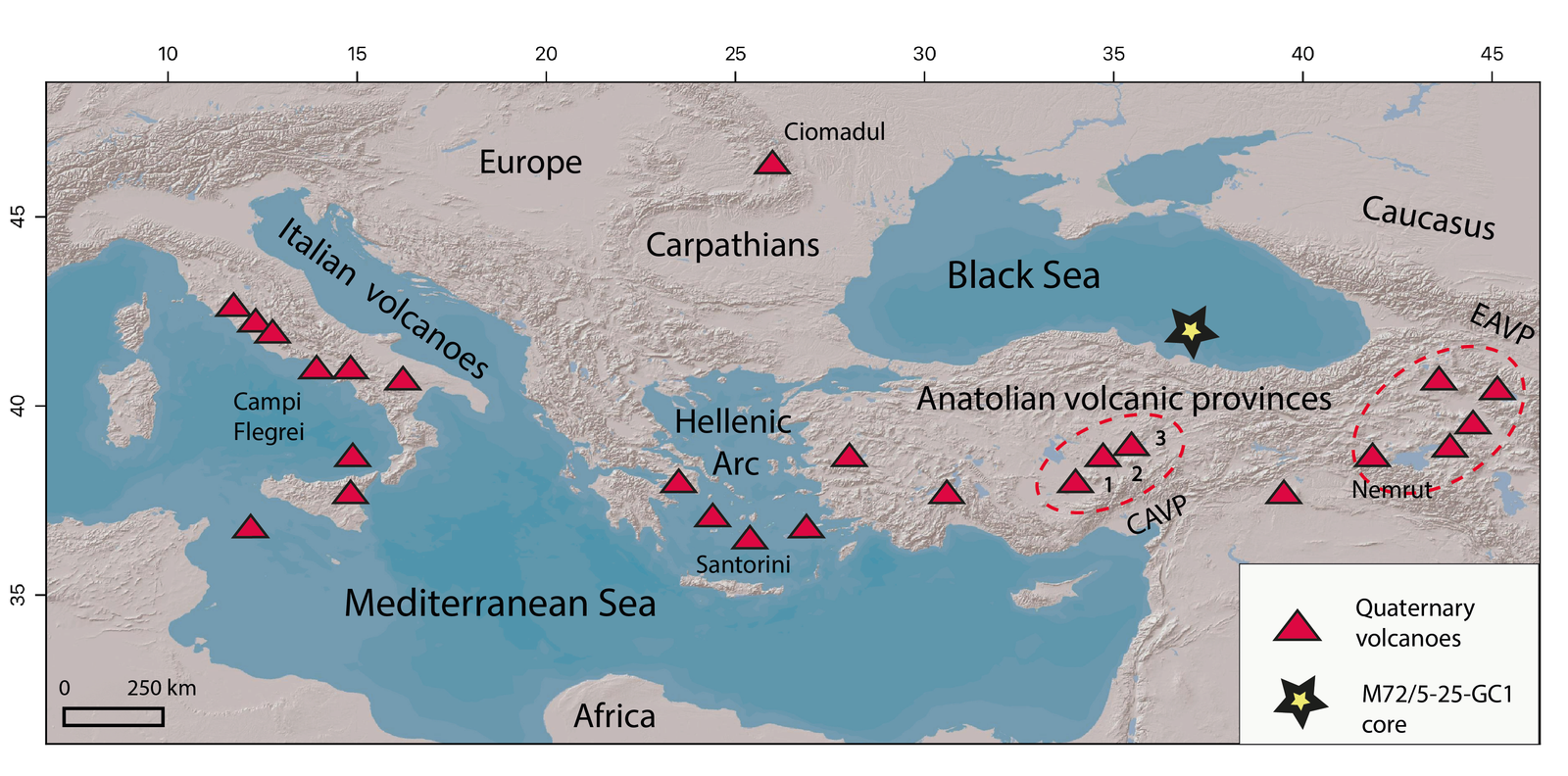
Core M72/5-25-GC1, recovered from the southeastern Black Sea continental slope, preserves visible ash and microscopic cryptotephra. It records contributions from Italian volcanoes, the Aegean arc and the Anatolian volcanic provinces.
From microscopic glass shards to geochemical fingerprints
Earlier studies relied mainly on major-element chemistry. BlaCorTephra added trace-element fingerprints, providing greater power to distinguish chemically similar volcanic sources and eruptions.
Microscopy
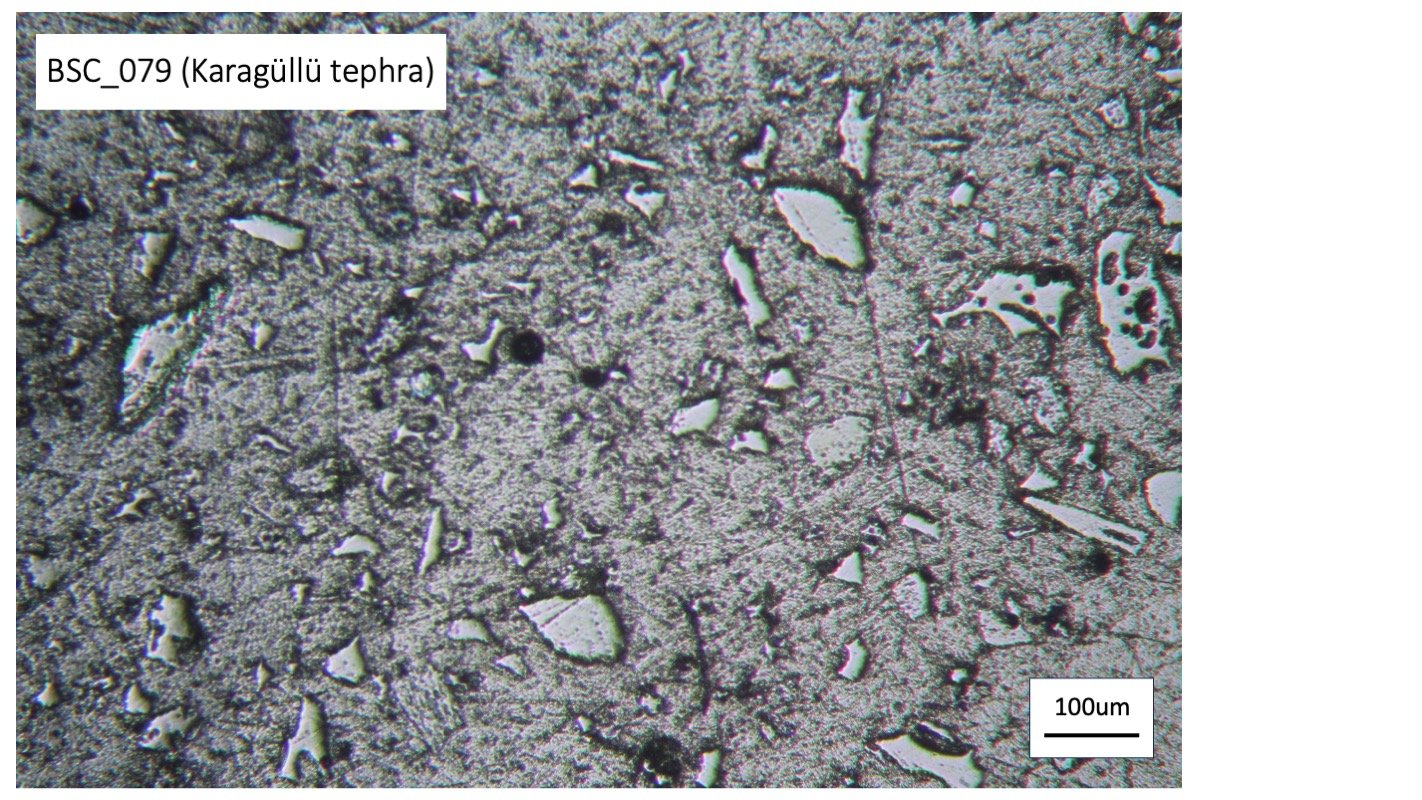
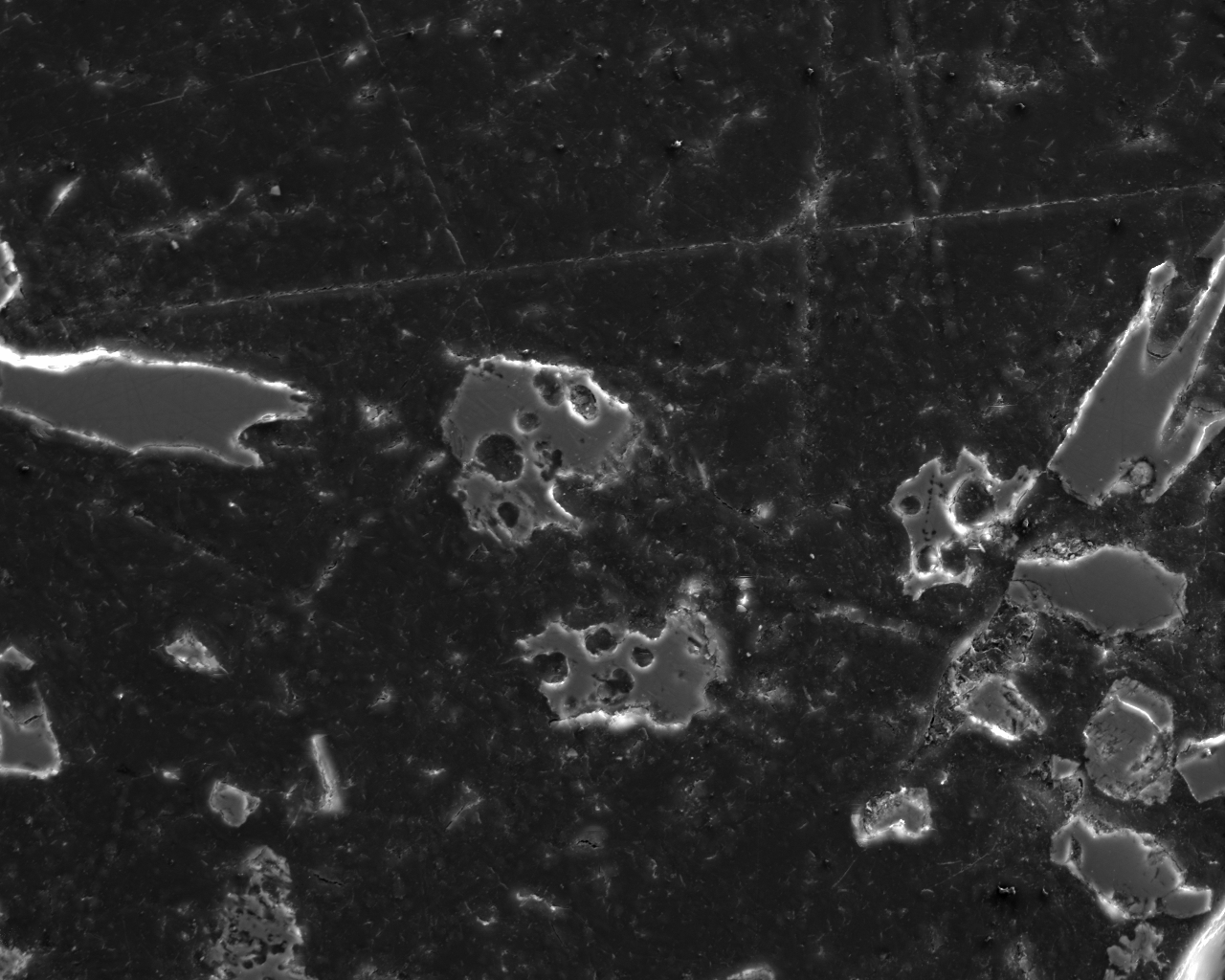
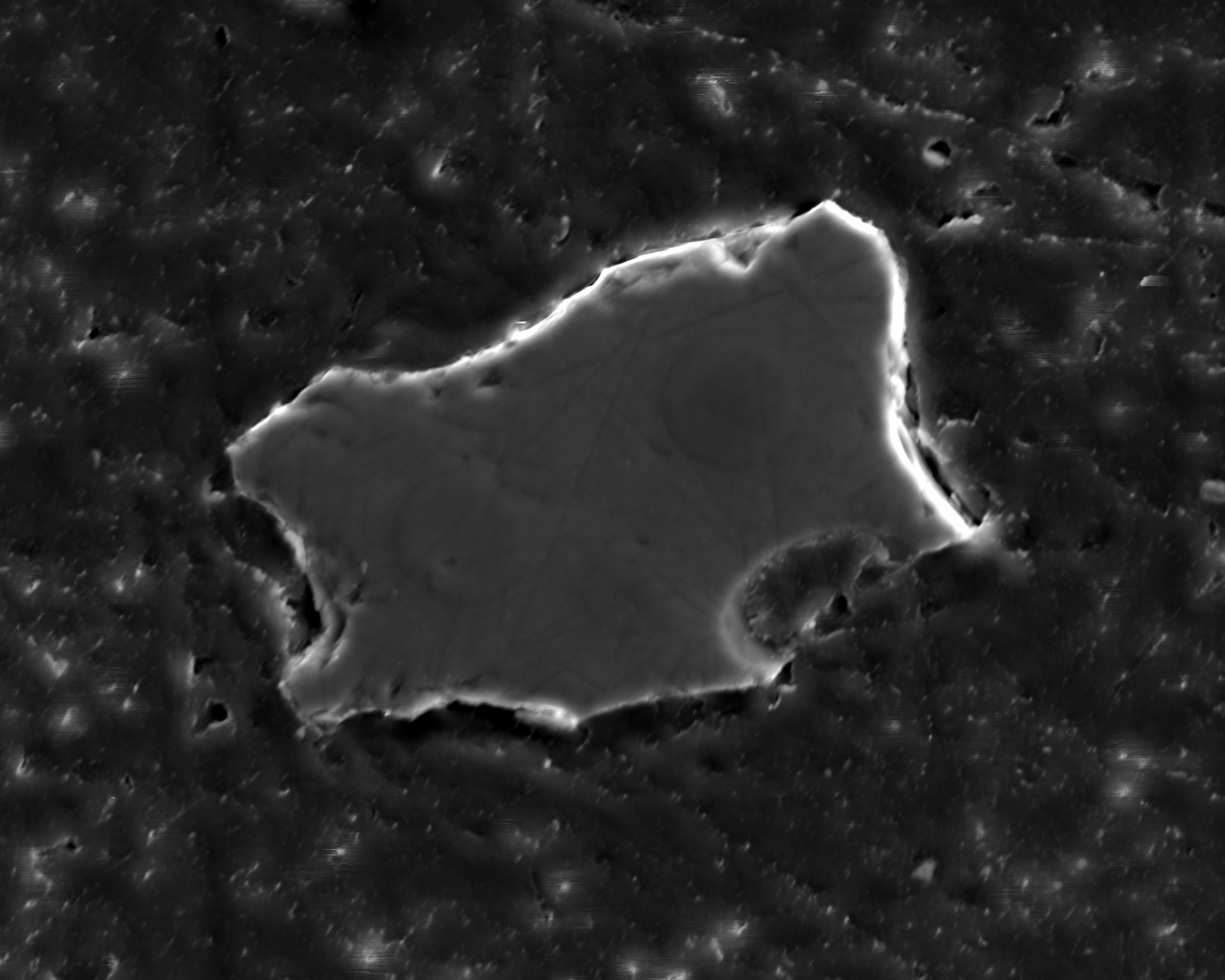
Petrographic and electron-microscope imaging documented shard morphology, preservation and suitable analytical targets.
Major and trace elements
EPMA analyses were performed at INGV Rome and sector-field LA-ICP-MS analyses at ETH Zürich.
Quality and reproducibility
International reference glasses and statistical workflows tested analytical accuracy, precision and geochemical coherence.
A reusable geochemical framework for the Black Sea
19 horizons characterised
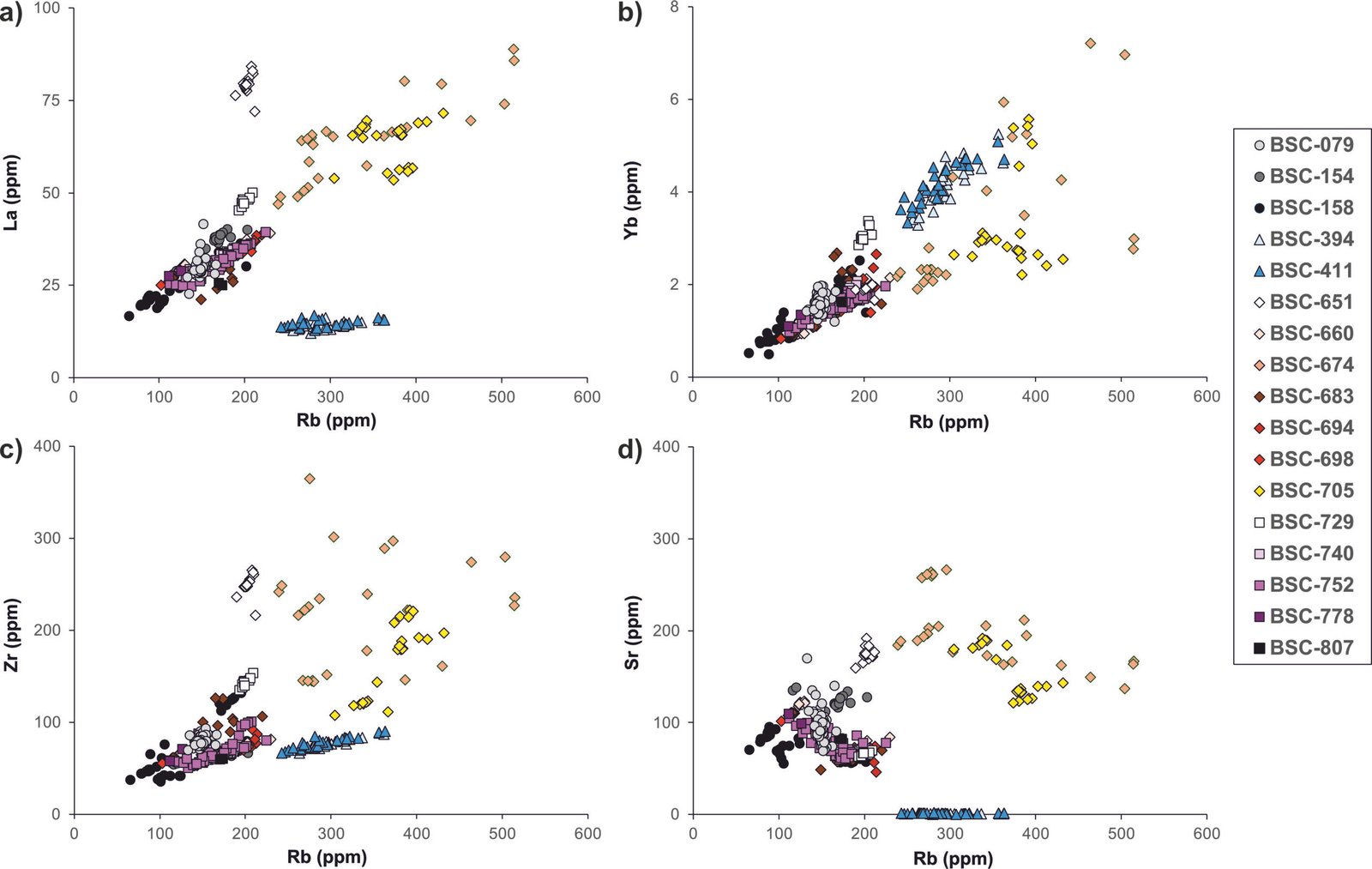
Major- and trace-element compositions were obtained from visible and cryptotephra layers distributed through the ~60 kyr core.
Volcanic sources distinguished
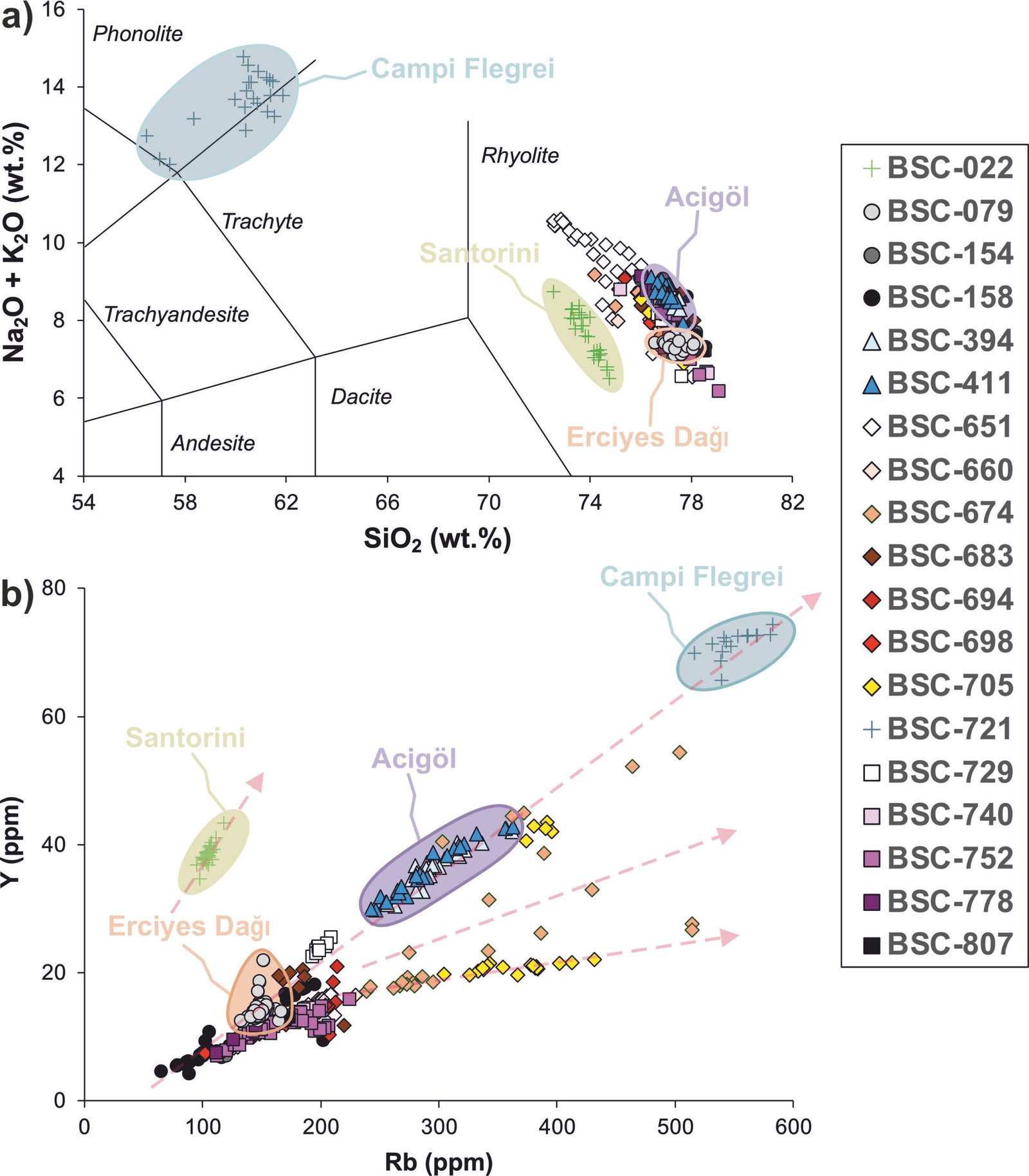
The new fingerprints clearly separate Campi Flegrei, Santorini, Acigol and Erciyes signatures.
Central Anatolian affinity
Several previously unattributed layers show calc-alkaline to high-K calc-alkaline signatures consistent with Central Anatolian volcanism.
Data designed for reuse
The resource supports tephrochronology, palaeoenvironmental reconstruction, comparative geochemistry and machine-learning studies.
Testing the correlations proposed after PUSKURUM
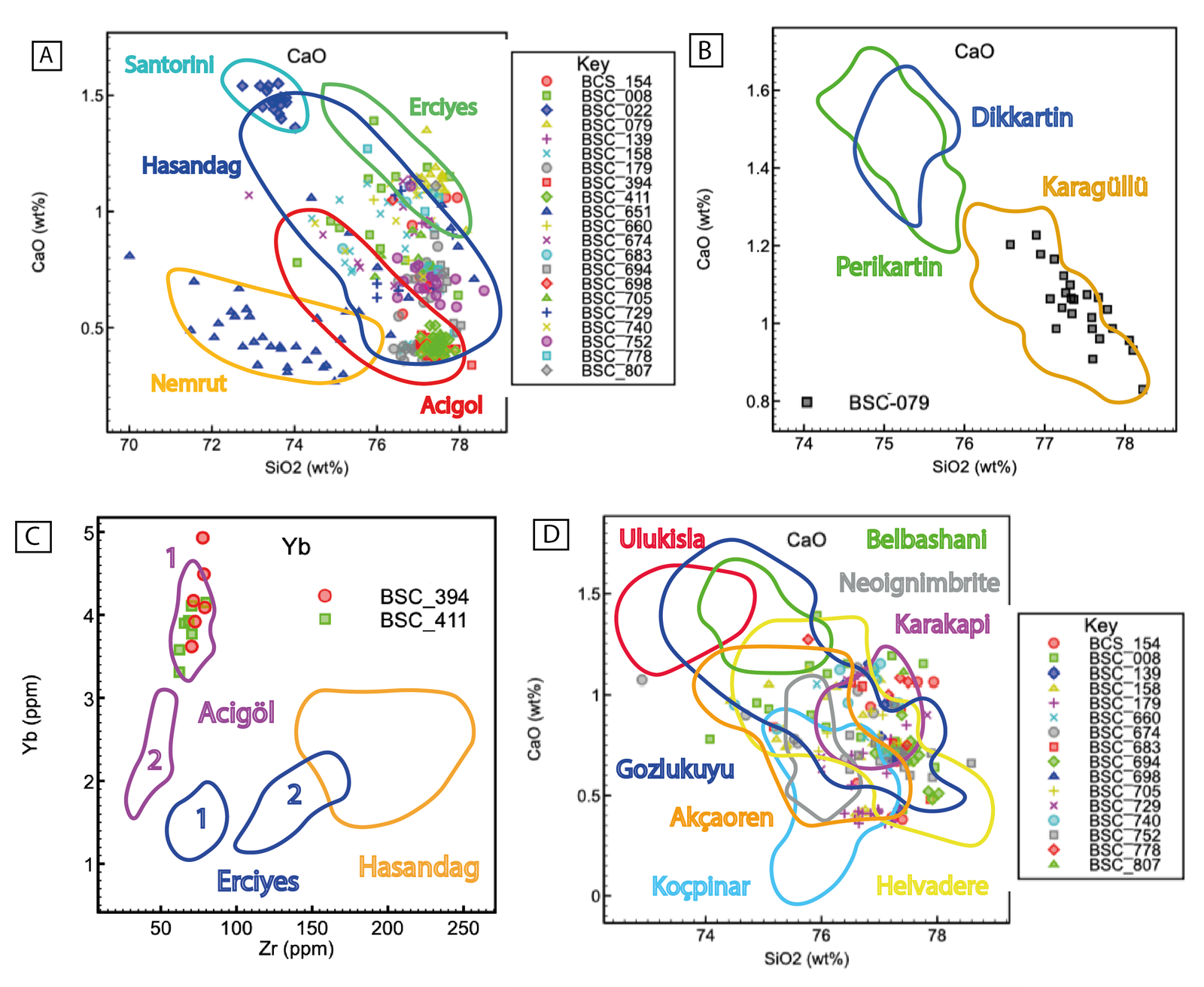
The original BlaCorTephra proposal used the proximal glass-composition fields developed by PUSKURUM to formulate source hypotheses for the Black Sea tephras. The new trace-element dataset now provides the analytical basis to test and refine those correlations.
From a one-year project to a permanent open resource
The Figshare repository contains the full glass geochemistry, quality-control data, microscopy images and statistical validation workflow.